Mastercard’s creative transformation relied on shifting the meaning of "Priceless" from spending to financial inclusion.
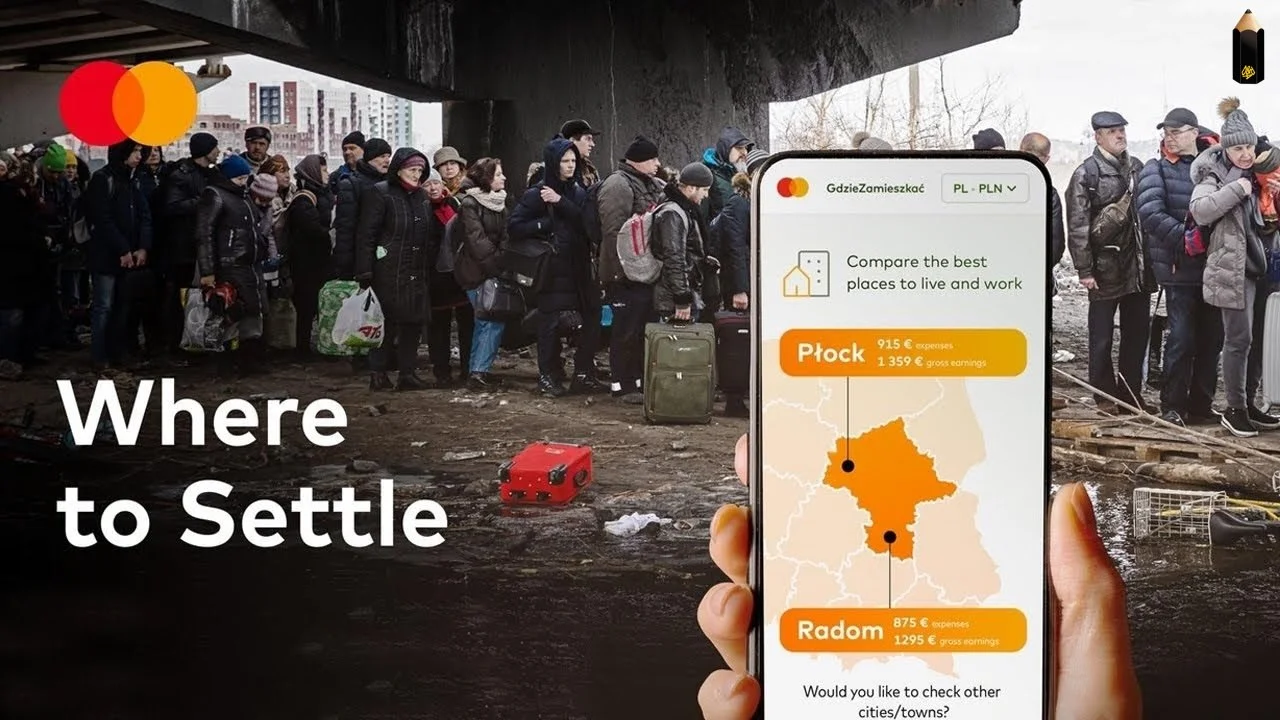
We turned a local relief effort for our Ukrainian colleagues into a scalable smart-data platform for refugees everywhere.
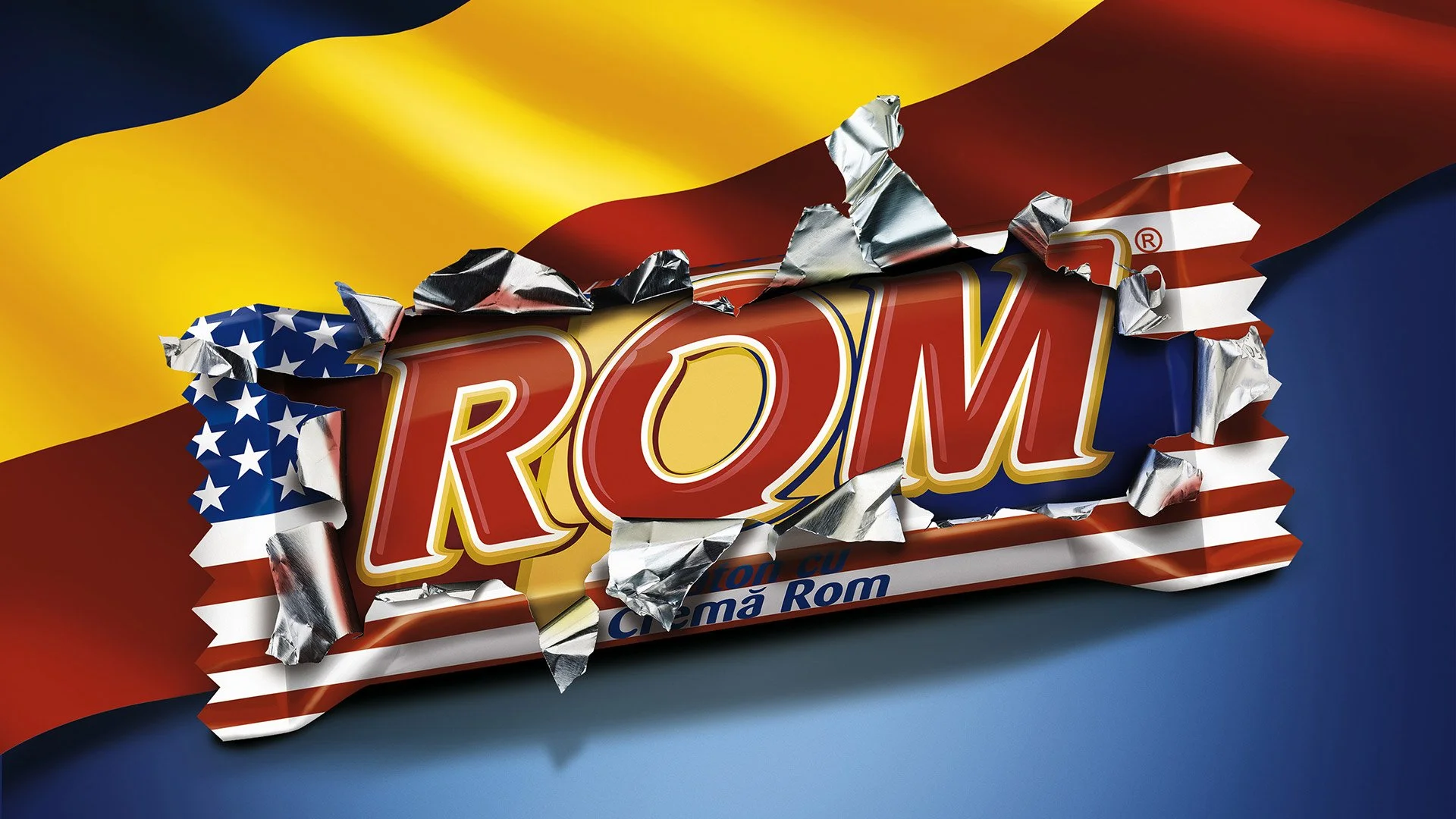
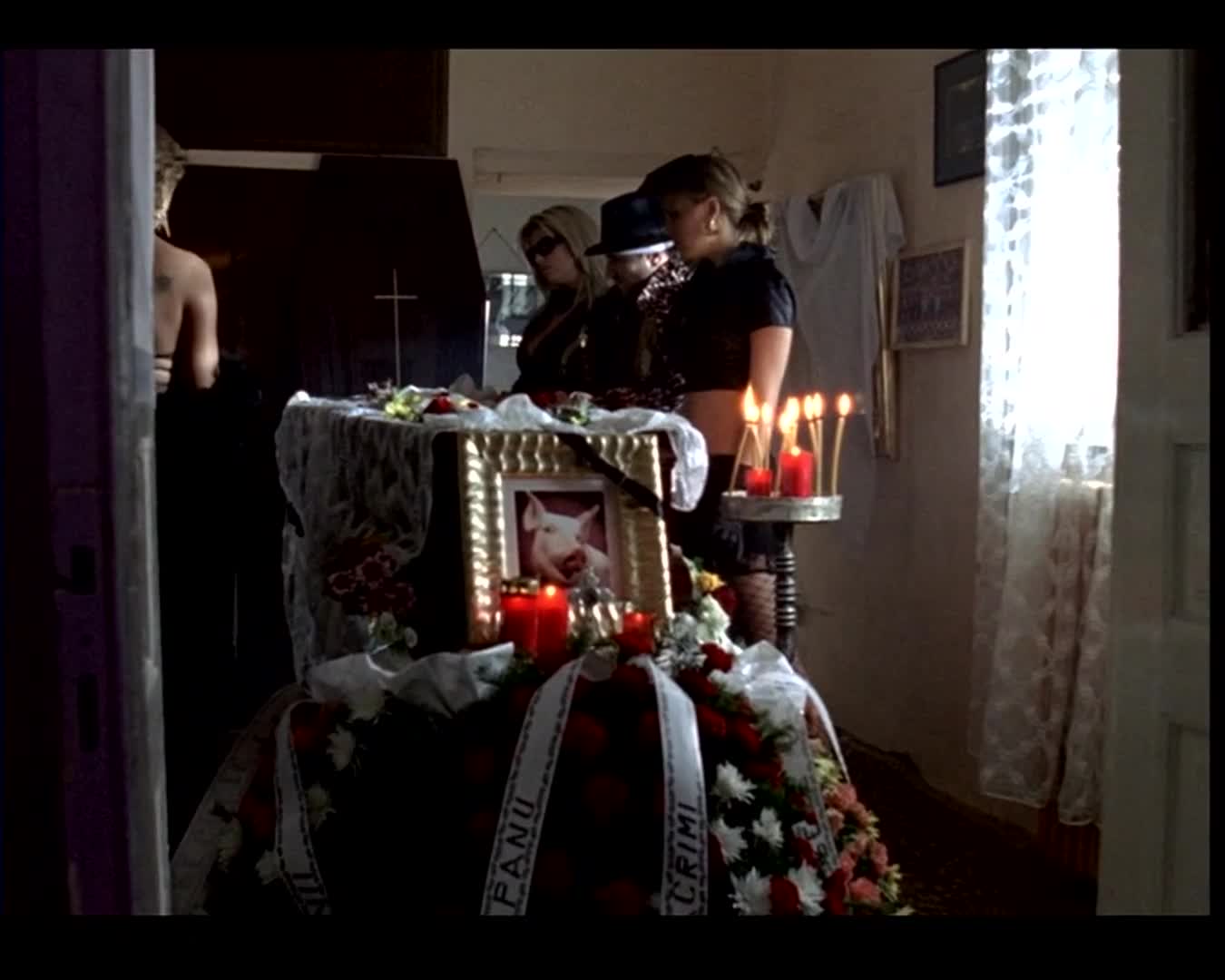
A literal false flag operation. Rom Chocolate 'sold out' to American branding overnight, sparking a nationwide outrage that tricked an entire country to rediscover their patriotism, and, eventually, the humble chocolate bar.
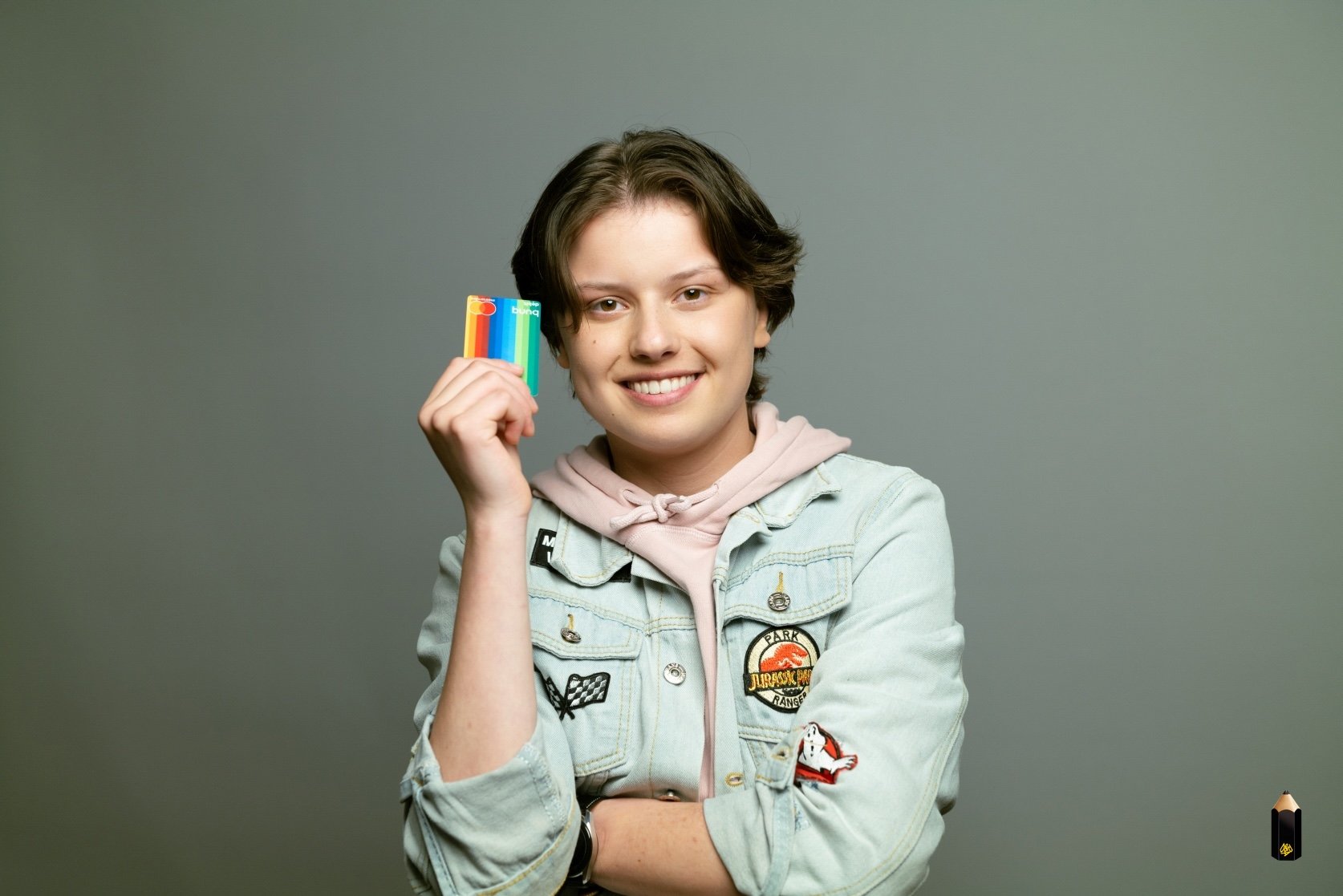
Few know that True Name launched as a press release before it was a product. This strategy helped the team pitch the vision to banks, making it a reality in 50 markets worldwide.
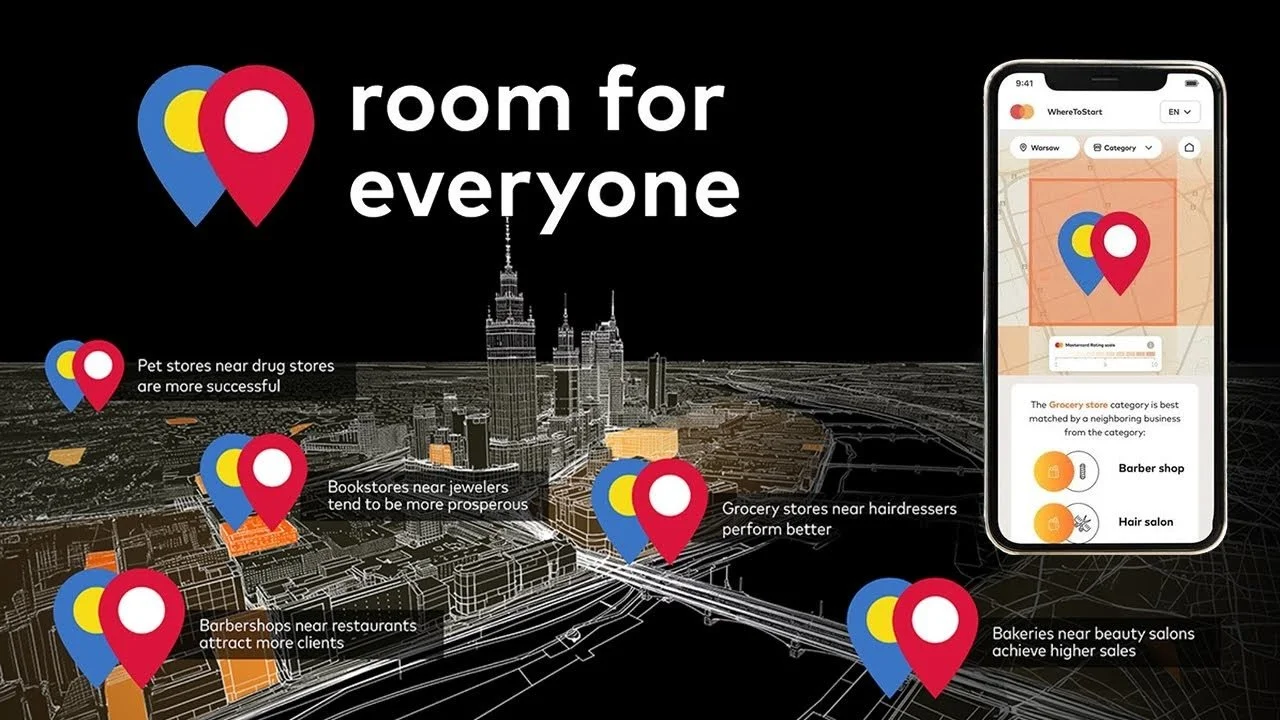
"Room for Everyone" continued the effort initiated by "Where to Settle," helping Poles and their Ukrainian neighbours economically thrive.
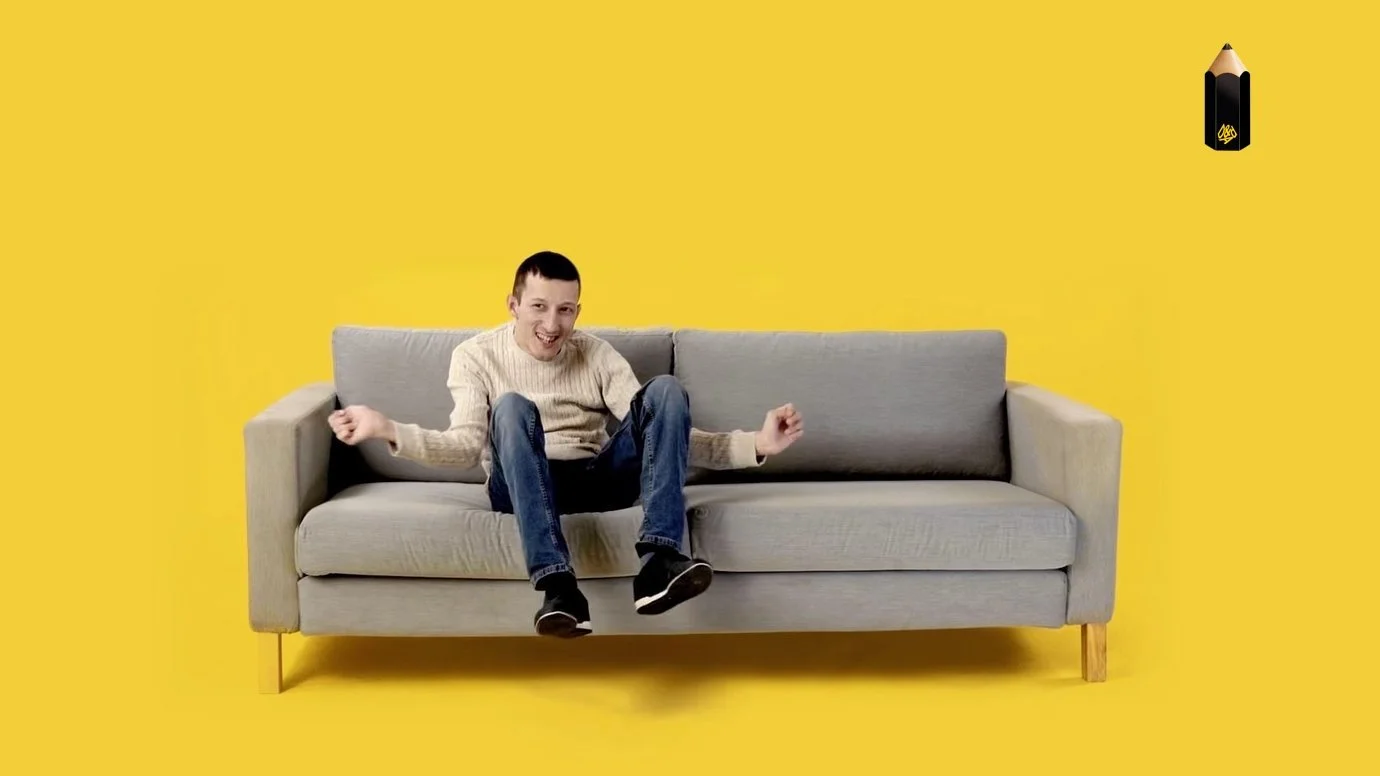
Eldar, a copywriter with cerebral palsy, channeled his lived experience into 'ThisAbles.' He transformed his personal daily hacks into open-source, 3D-printable IKEA add-ons accessible to the world.
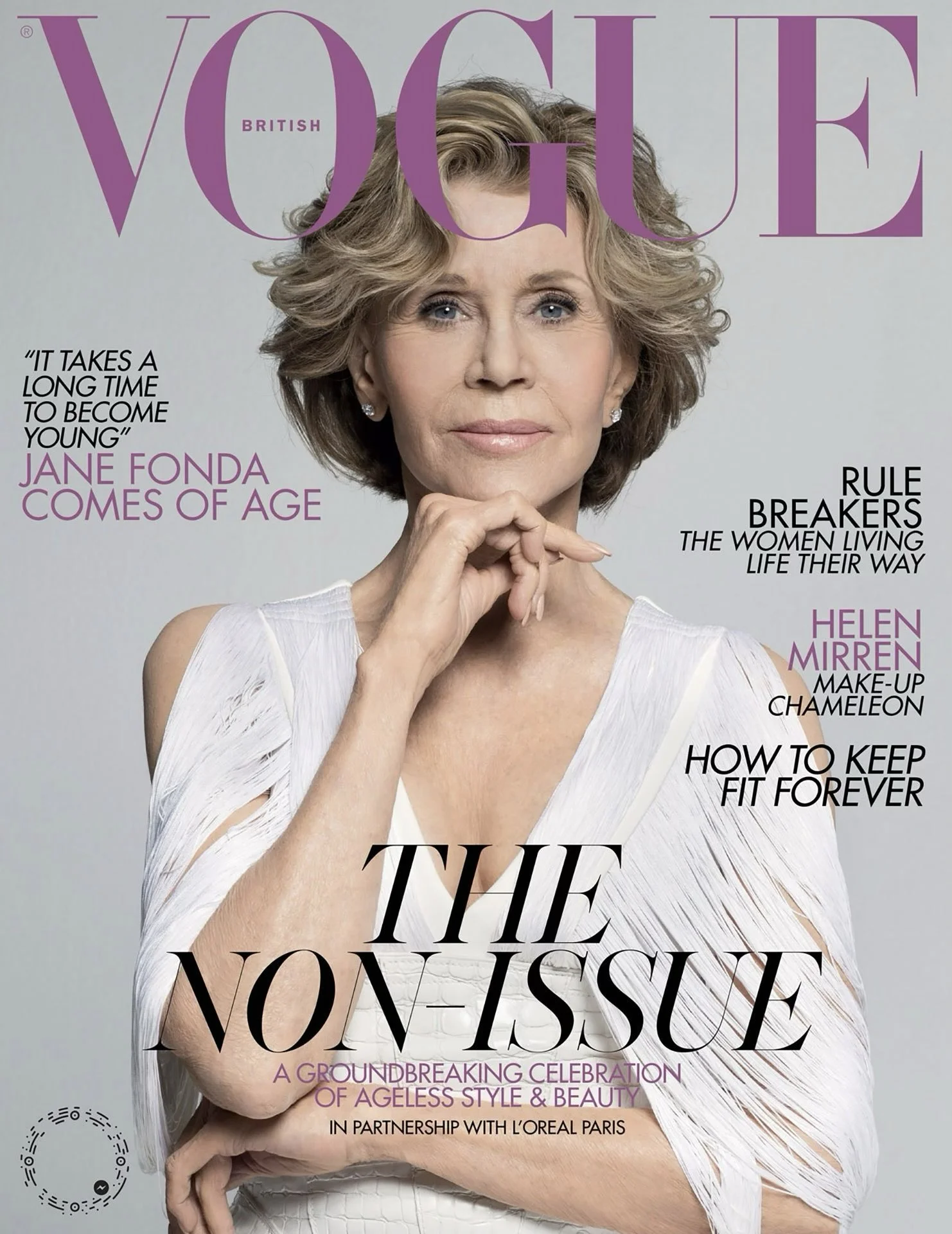
To authentically promote 'Age Perfect,' L'Oréal realised they had to confront the stigma of aging. We then made a bold move: recruiting a partner who was deeply part of the problem to help drive the solution.
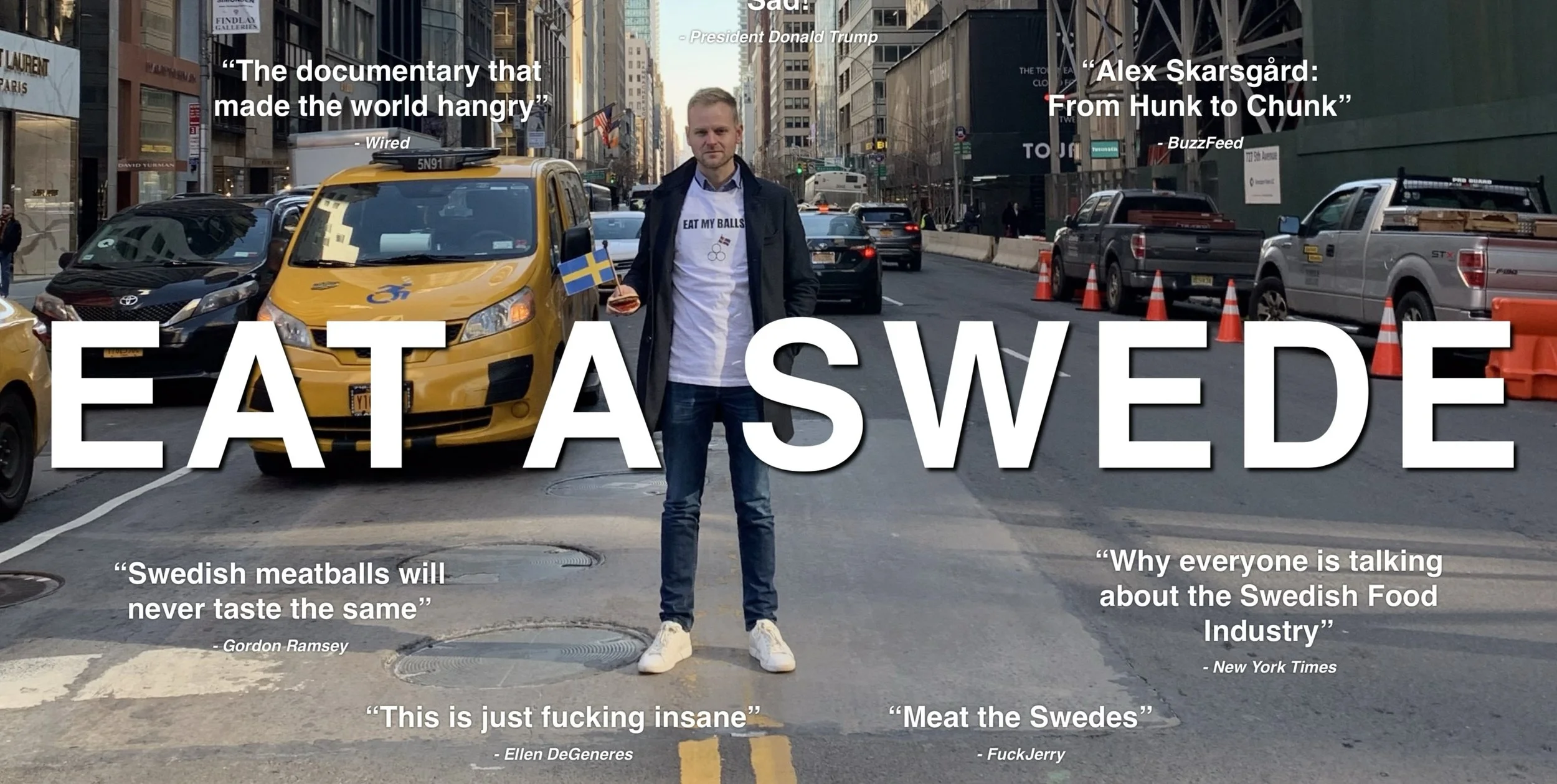
To promote Swedish food industry sustainable practices we released a hyper-realistic mockumentary promoting "lab-grown human meat" as the solution to the global food crisis.

The "Bread Exam" subverted traditional bread-making recipes to disguise breast self-examination tutorials to bypass deep cultural taboos in the Middle East.

We reimagined the Mastercard trademark intersecting circles as a dynamic Venn diagram to show that what’s truly priceless lives in the overlap between the things you love.

True financial inclusion means accessible design. The Touch Card solves the 'flat card' problem for the visually impaired, using simple tactile notches to offer independence and confidence to millions.

To close the gap between willing donors and actual registration, this idea turned a credit card into a legal donor ID. It transformed a symbol of consumerism into a tool for social good, making the decision to save lives a part of everyday financial life.

Financial inclusion requires trust in the system. The Public Money ATM fought corruption by letting citizens influence the government spending at the cashpoint, turning every transaction into an act of accountability.

Messi’s move from FC Barcelona to PSG marked a moment to reflect on what truly matters.

Messi’s body is a canvas of his life. Mastercard decoded his tattoos to tell the 'Priceless' stories that cameras on the pitch never captured.
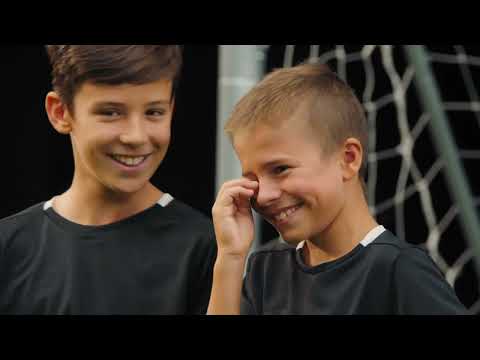
Data revealed the name 'Leo' has skyrocketed globally since Messi’s debut. Mastercard turned this statistic into a tribute, surprising the legend with a squad made entirely of children named in his honor.

Body art fights bureaucracy to hijack Germany’s strict opt-in organ donation laws. In a country where 84% of people support donation but almost no one carries the paperwork, the campaign turned a quarter of the population’s skin into a legal document.

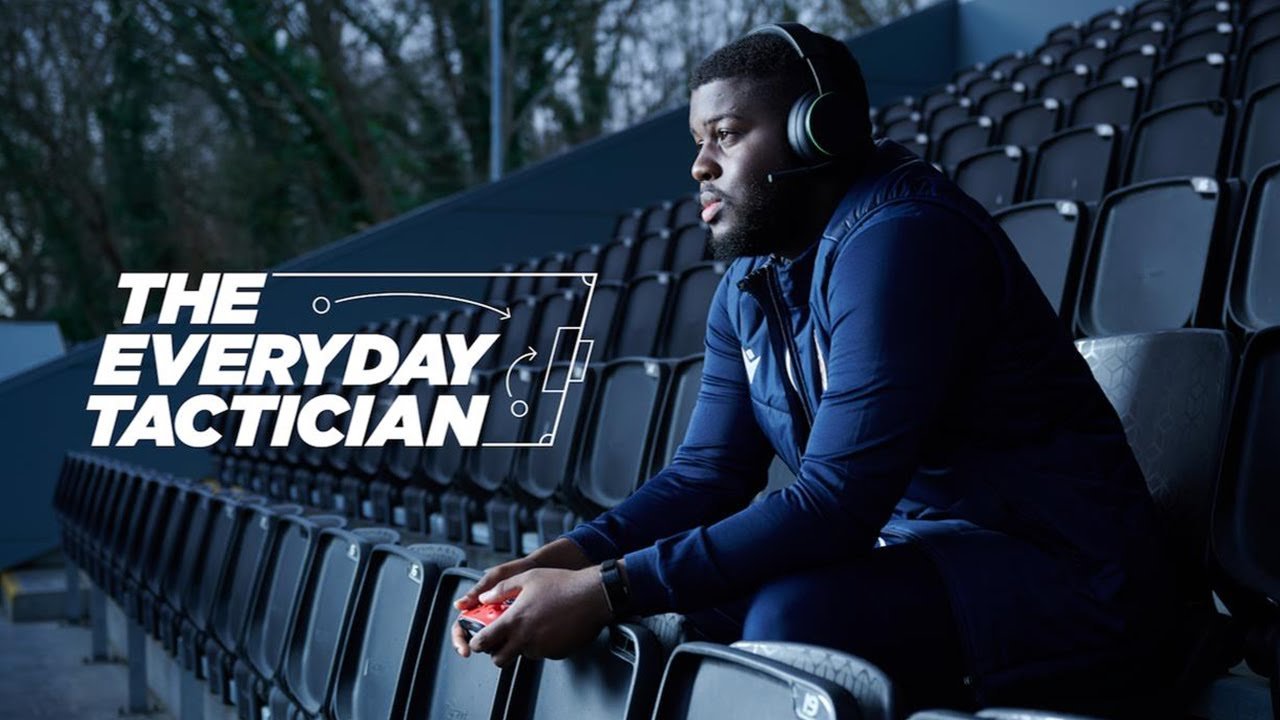
To reach a generation of gamers, we moved the remembrance from the living room to the server room. 'Fighting to Remember' hacked the gaming experience to connect young players with real Holocaust survivors inside the very games they play

ROM Chocolate turned national pride into an SEO weapon. To combat negative stereotypes, they rallied the world to search 'Romanians are smart,' forcing Google to reflect the country’s true potential.

A masterclass in geographical gaslighting: Rom hijacked the chronic confusion of international travellers and celebrities (who greet Bucharestians with "hello, Budapest!"), to position itself as the nation’s corrective voice.

When Dior sold a copy of a traditional Romanian coat for €30,000 without credit, the community didn't sue—they competed. 'Bihor Couture' launched to sell the authentic originals for a fraction of the price, redirecting profits from the runway back to the local artisans who created them.


Mastercard's ‘Roadside Market’ aimed to drive card usage to an underbanked audience: local farmers and artisans. We hijacked Waze to bring their fresh produce and handmade goods directly to consumers.
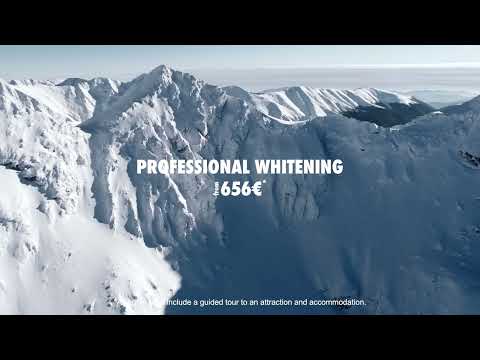
We turned a dental appointment into a tourism strategy. By framing Romania's landscapes as part of the treatment plan, we convinced travelers that a trip to the dentist is actually fun, provided the 'clinic' is the size of a country and 70% cheaper.